Welcome to Connectus Utilities
Welcome to Connectus Utilities
Comprehensive feasibility studies for building and construction projects, mapping out utility strategy for the project.
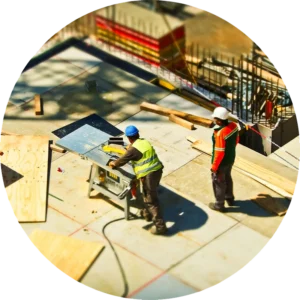
When embarking on a new project, proper planning is essential. By conducting a feasibility study before you begin work, developers and builders can determine whether the project is technically, financially and legally viable, and identify any potential constraints for demolition or construction.
Feasibility studies for construction involve assessing existing utility infrastructure across a development site, ensuring compliance with PAS128 for utility mapping accuracy, and will provide indicative budget costs and timelines.
Feasibility studies for construction projects provide an evaluation of a project’s viability, helping decision-makers understand potential challenges and opportunities before investing significant time and resources. Connectus works with you to identify risks, set objectives and determine whether the project is achievable.
Conducting a detailed feasibility study will highlight any potential risks associated with underground utilities and propose mitigation strategies. It ensures that the project team is aware of the presence of underground services and can avoid accidental strikes that may result in project delays or safety hazards.
PAS128 is a Publicly Available Specification developed by the British Standards Institution (BSI) that provides a standardised approach for underground utility detection, verification, and location. Connectus helps clients carry out PAS128-compliant surveys for their construction projects.
By analysing site conditions and regulatory requirements, feasibility studies highlight financial factors that need to be accounted for when undertaking your project. This gives a clearer understanding of potential costs and risks, enabling more accurate budgeting and forecasting.
Partnering with Connectus for your feasibility study means having the entire process managed end-to-end from data collection to detailed reporting using PAS128-compliant surveys.
Our approach offers integrated cost analysis and sustainability considerations and reduced delays with proactive utility coordination. We also deliver detailed and valuable insights rather than just raw data, helping you avoid costly surprises by identifying utility risks early and improving project planning with accurate timelines and budgets.

We work in a number of different sectors and to complete their feasibility studies:
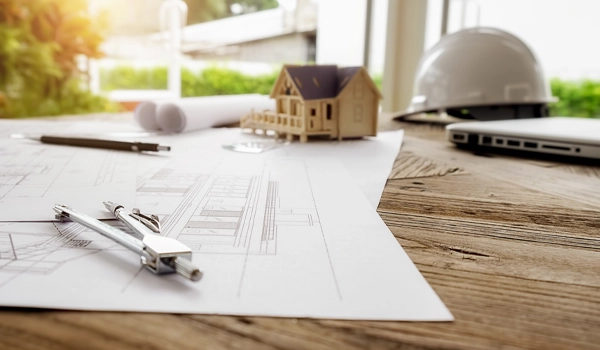
Helping plan residential projects.
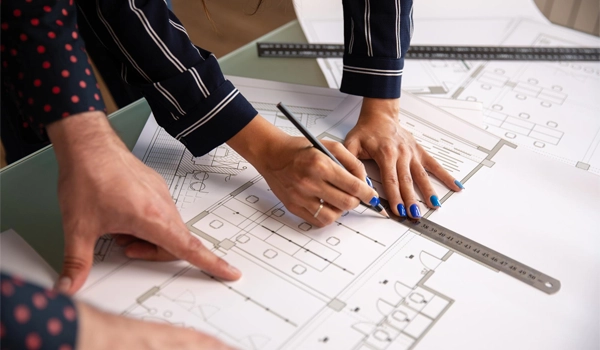
Supporting design with thorough feasibility insights.
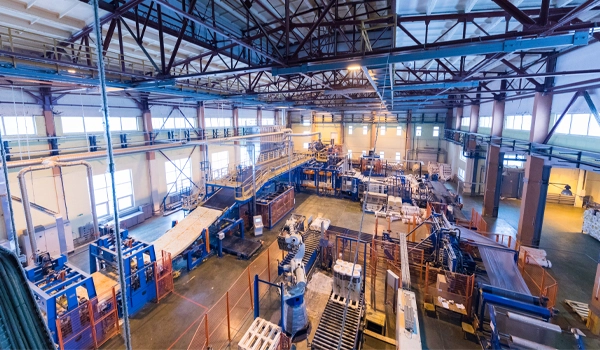
Ensuring developments are compliant and efficient.
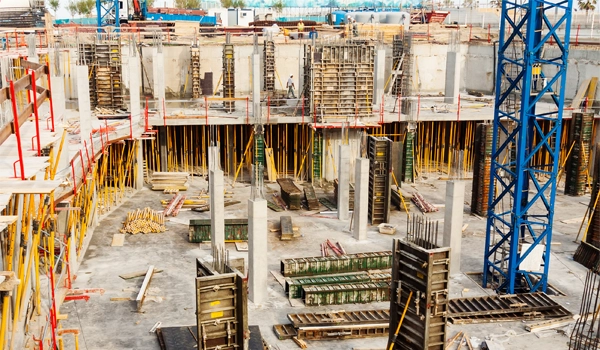
Assessing the feasibility of large-scale works.

Supporting renewable and sustainable energy generation projects with expert analysis.
Our feasibility study process follows 5 simple steps:
01
Data Collection – We begin by gathering all relevant utility records and site plans.
02
Site Survey – We will then verify and map utilities in line with PAS128 standards.
03
Post Survey – After surveying, we assess the associated risks, costs, and projected timelines.
04
Reporting – We compile these findings into a detailed feasibility report for your project.
05
Recommendations – Finally, we will outline clear next steps for any required diversions, disconnections, connections, or upgrades.
A feasibility study is an assessment of existing utilities and potential risks before construction or demolition.
Feasibility studies typically take 2-6 weeks, depending on site size and complexity.
Prices can range from £1,500-£7,500, but costs vary by scope. Early investment saves significant downstream expenses.
Feasibility studies can identify utility constraints, forecast costs, and plan timelines for safe, efficient project delivery.
In addition to feasibility studies, we offer a number of services to help keep your development on track.

Temporary electric supplies provide electricity to a construction site during the build process, before the permanent electrical connection is established. These supplies power tools and equipment, and are set up for a limited time, covering the construction or renovation phase.
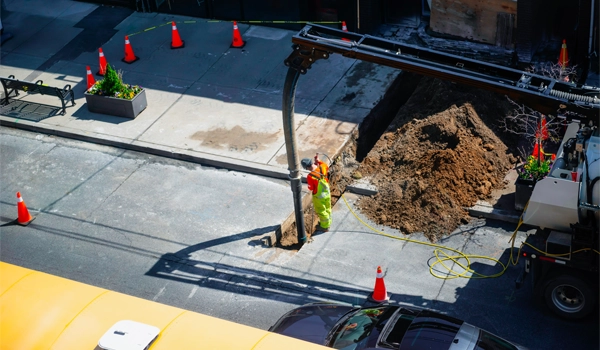
Got a new project in the pipeline? Having your new meter point connections up and running is an essential step in any project.
At Connectus we help get projects off the ground with new connections for electricity, gas, water, and telecoms.
From initial planning to installation, we make sure your project gets the essential utilities it needs.
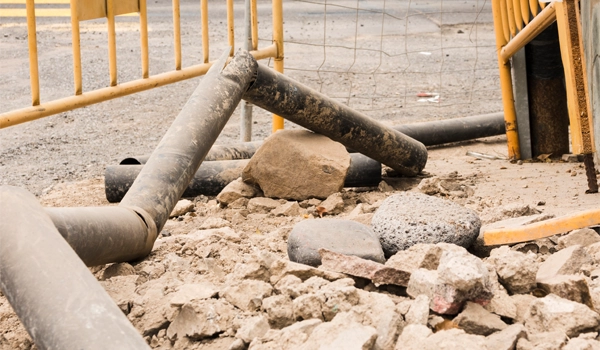
Connectus provides a complete Meter Disconnection service for businesses and developers, ensuring safe, compliant removal of electricity or gas meters during property demolition, redevelopment, or tenancy changes. We manage the entire process from application to physical disconnection.
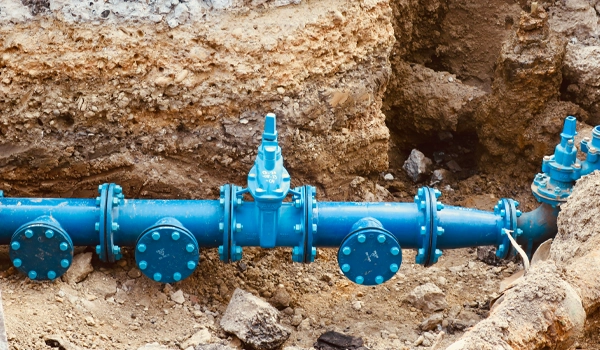
Connectus provides comprehensive Utility Diversion services, managing the relocation or modification of existing utility infrastructure to enable construction or redevelopment projects.
We offer full management of diversion projects, coordination with utility providers and local authorities, and compliance with safety and regulatory standards.
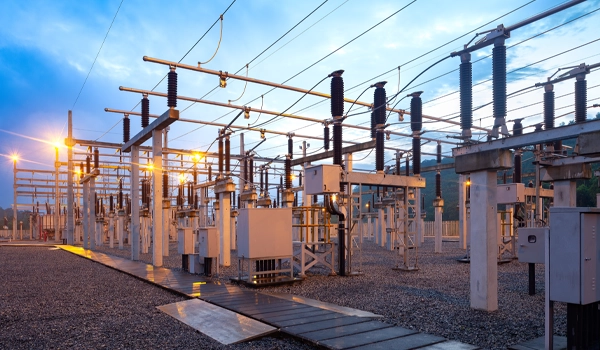
High Voltage (HV) Secondary Substations are a critical part of the electrical distribution network that transforms high voltage electricity from the transmission or primary distribution network into lower voltages suitable for local distribution and consumer use that can be safely delivered to homes and businesses.

Assured Energy provide an open and transparent approach to business utility supply.
Whether you’re a small startup business or a large multi-site enterprise, we can help you get the best deal for your new connection’s permanent energy supply by negotiating contracts and working with trusted suppliers.
To find out more about feasibility studies, get in touch with us today on +44(0)330 221 6565, WhatsApp us on +44 (0)743 638 9791 or email info@connectus-utilities.co.uk.
